|
|||||||||||||||
|
FROM LEXY ↓
Hey Poker Fam! One of the greatest Poker players ever just learned a hard lesson about operating outside the law. A Houston Poker room shut down by state authorities this week. I just cashed for $19,004 in the $1,700 U.S. Circuit Championship. 23rd place out of 2,148 entrants. It's one of those moments where you prepare, you show up, and the work pays off. Not every run ends in gold, but a cash in a field that size is a win. Jessica Odom, a long-time WSOP dealer, finished 9th in the employees event. Ricky Landais got eliminated from a high roller because of a dealer error—four cards on the flop instead of three. One mistake. That's all it takes. This week we also break down the strategic concepts that separate the winners from everyone else: Equity and Fold Equity. |
|||||||||||||||
This Week in PokerThe stories shaping the game right now
|
|||||||||||||||
|
|||||||||||||||
|
|||||||||||||||
|
|||||||||||||||
|
|||||||||||||||
Strategy CornerEquity and Fold Equity · Understanding Both Sides of the Equation
|
|||||||||||||||
|
|||||||||||||||
|
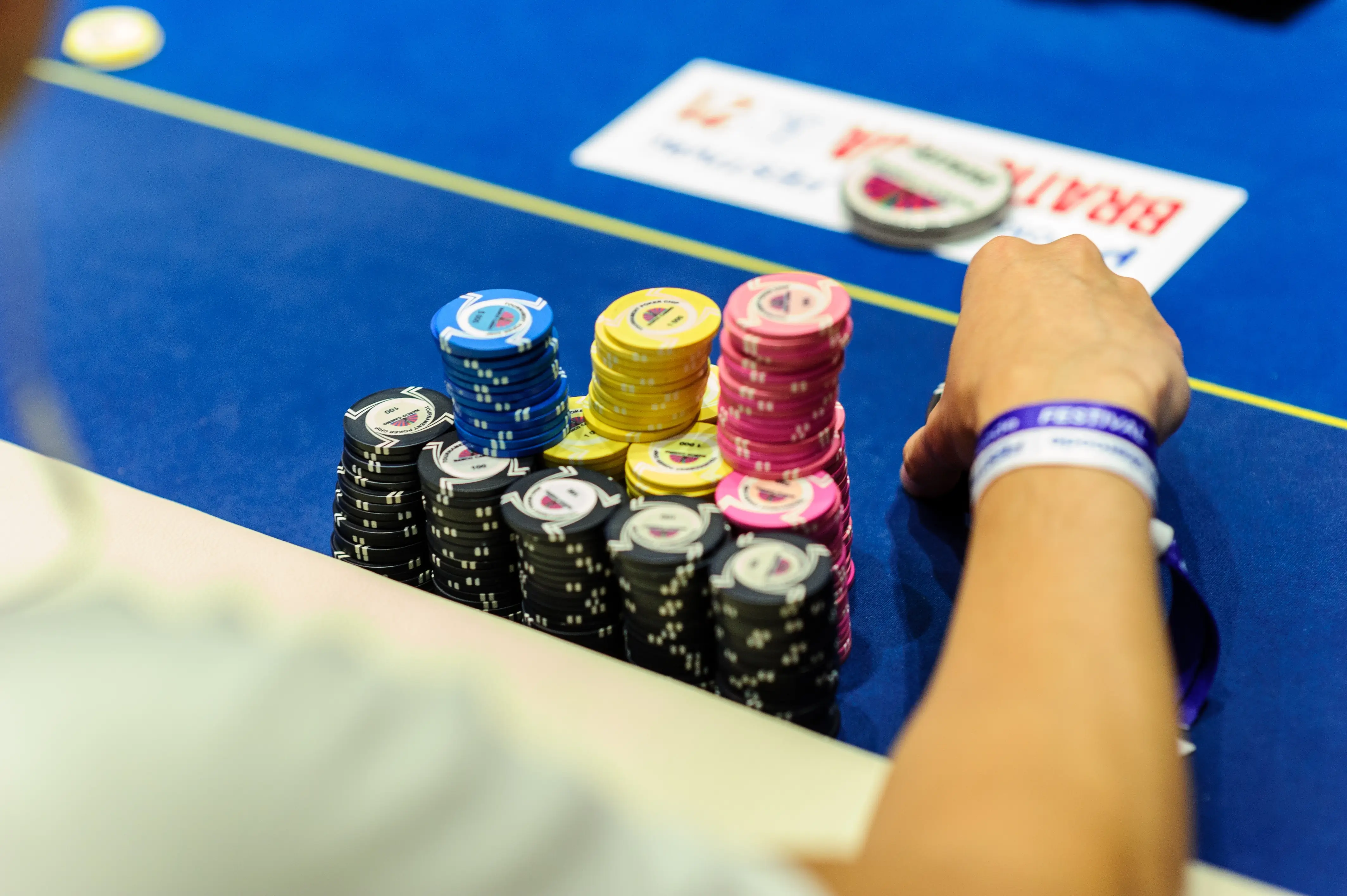
Equity is the foundation. It describes the portion of a pot that should be yours based on the mathematical probability you'll win at showdown. This is your baseline. If you've got a 55% chance to have the best hand when the cards run out, you have 55% equity in the pot. Here's the thing: equity changes as cards come off the deck. Pre-flop, your equity is based on the cards you've seen (your two hole cards and your read on your opponent's range). Post-flop, the board texture changes everything. Your equity is always shifting based on what gets revealed. Example: You have Q♠-Q♦ and your opponent has 9♥-8♥. Pre-flop, your pocket queens have roughly 82% equity against their hand. If the flop brings 6♥-3♥-A♠, your equity changes—now they've got two flush draws and backdoor straight draws, so you're maybe at 60% equity. Your equity swings with every card. Equity matters because it's the percentage of the pot that mathematically belongs to you. But here's what most players miss: Fold Equity is just as important, and it works differently. Fold Equity is the percentage chance your opponent will fold to a bet. This is where the psychological game happens. If you bet and your opponent folds, you win the pot immediately—100% of it, regardless of your actual hand equity. Let me break down why fold equity changes everything: You could have terrible equity—like 15% to win at showdown with a gutshot—but if you've got high fold equity, the bet becomes profitable. You're not counting on hitting your draw. You're counting on winning the pot right now because your opponent will fold. The Red Line and The Blue Line: In Poker tracking software, you'll see two lines plotting your profit over hands: the "blue line" (showdown line) and the "red line" (non-showdown line). The blue line shows profit from hands where you go to showdown. The red line shows profit from pots you win without reaching showdown. If you're making money without ever seeing a showdown, that's fold equity working. Your opponent is folding. You're winning pots. That's the power. |
|||||||||||||||
Clip of the WeekFrom my YouTube channel
|
|||||||||||||||
|
I 3-bet K♦-4♦ from the big blind against an active button and calling station small blind, then c-bet the flop Q♥-6♦-2♣—and when the turn brings the A♦ giving me a direct flush draw and what looks like a scary card for his range, you're going to want to see how I navigate this pivotal moment! |
|||||||||||||||
Upcoming Tournaments |
|||||||||||||||
|
|||||||||||||||
The Financial Platform for Smart Bettors |
|||||||||||||||
In the Know |
|||||||||||||||
|
|||||||||||||||
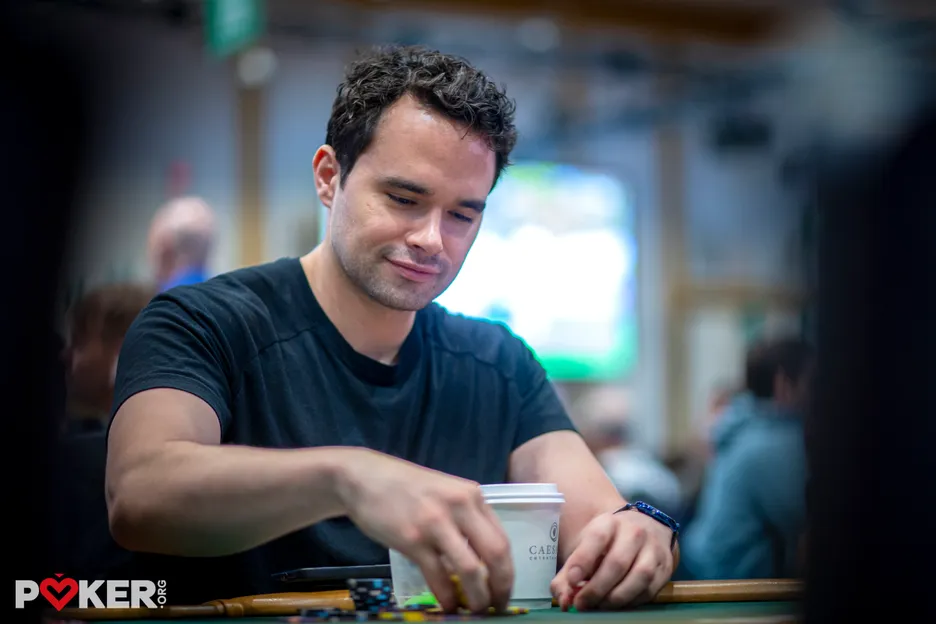
Alan Keating No-Show for $25K WSOP Heads-Up Championship—Exhaustion Costs Him the TournamentAlan Keating was a no-show for his $25K WSOP Heads-Up match after grinding The Lodge in Houston. He handed opponent Piotr Krupas a walkover to Round 2 without playing a hand. In heads-up format, you show up or you lose. No rescheduling. Keating lost $25K to not play a single hand. The lesson: No matter how good your cash results are, if you overextend yourself before a tournament match, you lose. Don't grind the cash games instead of resting before your buy-in. That's a costly mistake many players make. Source: Poker.org WSOP Assembles Elite Broadcast Team for 2026 Series on ESPN and YouTubeThe WSOP assembled an all-star broadcast team for 2026. Lon McEachern and Norman Chad return to the booth. Maria Ho brings professional player strategy perspective. Joe Stapleton connects with younger audiences. This isn't generic play-by-play. These people understand high-level Poker. When you watch a final table, you're getting commentary on ranges, pot odds, psychology, and decision-making. That's what separates professional broadcasting from amateur coverage. Source: Poker News Daily High-Stakes Poker Player Arrested for Writing Bad Checks at Las Vegas CasinoA high-stakes player was arrested for writing bad checks to cover gambling losses and tournament buy-ins. Writing bad checks is a felony, not a civil dispute. Here's the warning: Your bankroll needs to match your buy-ins. If you can't afford to lose it, you can't afford to play. Casinos have security systems to catch fraud. Once you're caught, you're facing criminal charges, casino bans, and a destroyed reputation. No short-term "gain" is worth that. Source: Card Player |
|||||||||||||||
|
|||||||||||||||
|
|||||||||||||||
|
Talk soon ♠
Lexy Gavin-Mather
The Poker Digest The Poker Digest · by Lexy Gavin-Mather
|
|||||||||||||||